Mixed signals: Understanding the Unwritten Rules of the Workplace
Most of my Gen Z colleagues entered the workforce in a time of post-COVID disruption, with increasing remote work, instant communication and access, and changing


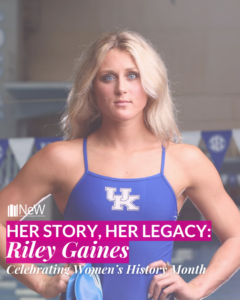
Every generation produces athletes who rise beyond the soccer field or the basketball court to become symbols of something greater than the game itself. Riley Gaines is one of those athletes. Her story transcends her time competing in the NCAA. It is one of advocacy, courage, and the evolving conversation around fairness and opportunity in women’s athletics. Gaines has become part of a national cultural moment that continues to shape how American society views women’s sports. Gaines is an outstanding example of what women should strive for in their daily lives: fairness and equal opportunity.
Gaines first gained national attention as a competitive Division I swimmer at the University of Kentucky. Like many athletes, her journey began with years of early-morning pool practices that instilled discipline and a relentless pursuit of excellence. Competing at the collegiate level required both physical and mental resilience. Gaines built a reputation as a dedicated competitor who took pride in representing her team and the legacy of women’s athletics.
However, Riley Gaines’s influence multiplied when she began speaking publicly about her experience as a college swimmer in the 21st century. Gaines emerged as a prominent voice in the debate surrounding fairness, opportunity, and policy in women’s sports. By sharing her perspective, she helped bring national attention to questions and sentiments that many athletes felt had not been publicly articulated. Her advocacy sparked conversations across universities, athletic organizations, and legislatures. Supporters view her as someone who stood up for the integrity of women’s competition and the opportunities created through decades of progress in women’s athletics. For many young female athletes, her message resonated deeply: the spaces created for women in sports deserve thoughtful protection and discussion.
Gaines’s impact is undeniable. She helped move a conversation that once existed mostly in policy rooms into the public square. Athletes, parents, coaches, and fans began engaging more actively in conversations about fairness, inclusion, and the future of women’s sports.
Her story also highlights a larger truth about modern athletes: today’s competitors often become advocates. In an era shaped by social media and constant public dialogue, athletes are no longer confined to their performance in competition. They are increasingly participants in cultural and social conversations that affect their sports and communities. Gaines embraced that role, recognizing that her experiences gave her a platform and a responsibility to speak. For many women, particularly young athletes, her example demonstrates the power of using one’s voice. Women’s sports have long been shaped by individuals willing to challenge norms and push for recognition, from the impact of Title IX to the growth of professional women’s leagues. Each generation contributes its own voices to the ongoing effort to ensure that women’s athletic opportunities remain strong and equitable.
The legacy of Riley Gaines will ultimately be defined not only by what she achieved in the water but also by the conversations she helped ignite above ground. Her story is a reminder that sports are never just about scores or finishes; they are also about the communities, opportunities, and principles that competition represents. As women’s athletics continue to evolve, athletes’ voices will remain essential in shaping the future. Gaines’s journey shows how one athlete’s experiences can ripple far beyond the pool, influencing dialogue, inspiring supporters, and leaving a lasting mark on the story of women’s sports.
At only 25 years old, Riley Gaines’s story is still unfolding. But her legacy, centered on advocacy, conviction, and the belief that women’s sports matter, has already become part of the larger narrative of modern athletics.
This blog was written by NeW Ambassador, Abby Ayres.